
Construction Defects Lawsuits in Nigeria: A Comprehensive Guide
Construction defects are a significant concern in the construction industry in Nigeria, often resulting in costly disputes and legal actions. This article provides an overview of construction defects lawsuits in Nigeria, highlighting key aspects and legal considerations for both builders and property owners.
Understanding Construction Defects:
Construction defects encompass a wide range of issues that can affect the quality, safety, and functionality of a constructed property. These defects can occur in residential, commercial, or public construction projects. Common types of construction defects include:
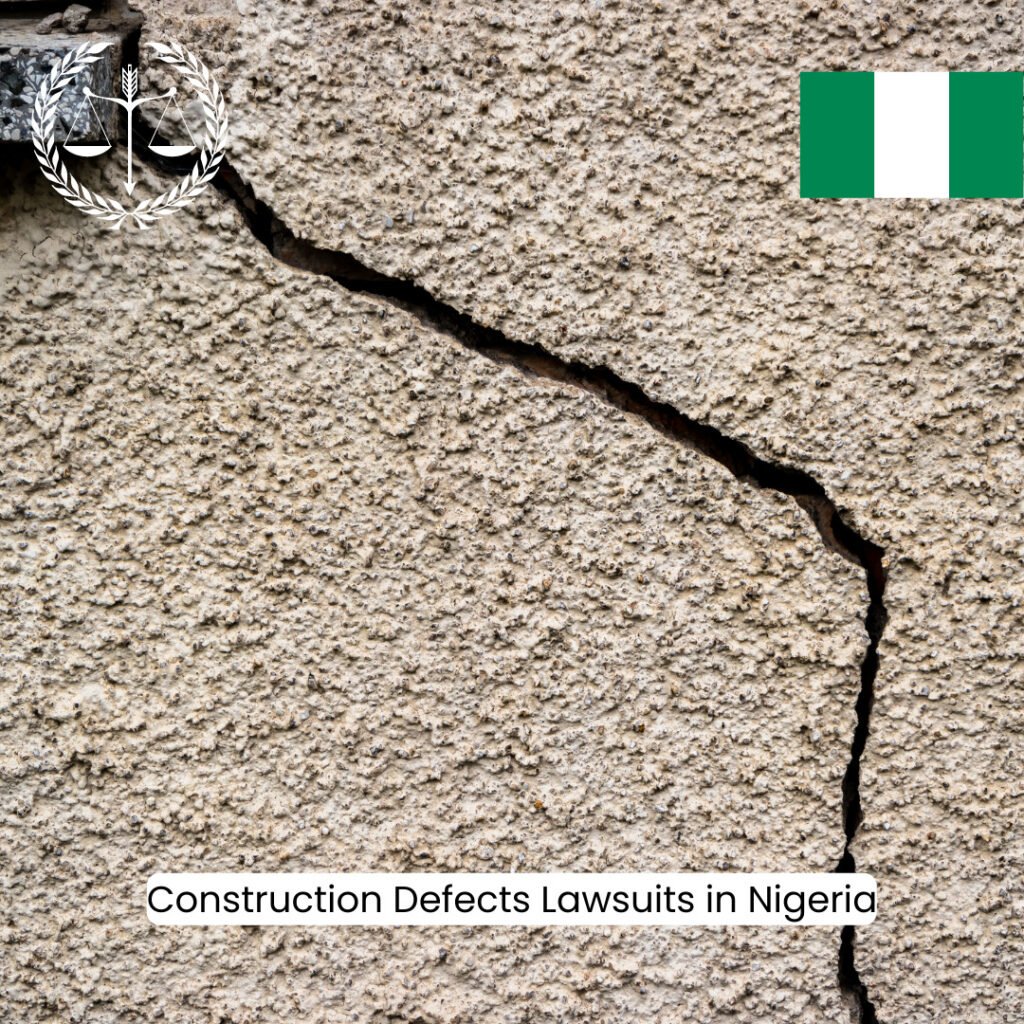
- Structural Defects: Issues related to the stability and structural integrity of a building, such as foundation problems, cracks in walls, or roof defects.
- Water Intrusion: Problems related to water leakage, including inadequate waterproofing, poorly sealed windows and doors, and plumbing leaks.
- Electrical and Mechanical Issues: Defects in electrical systems, HVAC (heating, ventilation, and air conditioning), and other mechanical systems.
- Design Errors: Flaws in the building’s architectural or engineering design that can lead to issues with functionality or safety.
- Material Deficiencies: Problems arising from the use of substandard or defective building materials.
Legal Considerations in Construction Defects Lawsuits:
- Contractual Agreements: The terms of the construction contract between the property owner and the builder are critical. These contracts often include provisions related to warranties, responsibilities for defects, and dispute resolution mechanisms.
- Statute of Limitations: There is a limited timeframe within which a construction defects lawsuit must be filed. The limitation period varies depending on the specific circumstances and jurisdiction.
- Notice Requirements: Some jurisdictions require property owners to provide notice of defects to builders before initiating legal action. Failure to comply with notice requirements can impact the lawsuit’s outcome.
- Expert Witnesses: Expert witnesses, such as engineers or architects, may be necessary to assess and testify about the defects and their causes.
- Insurance: Builders often carry liability insurance that may cover claims related to construction defects.
Challenges in Construction Defects Lawsuits:
- Proof of Defects: Establishing that a defect exists and identifying its cause can be complex and may require technical expertise.
- Liability Allocation: Determining who is responsible for the defect can be challenging, especially in cases involving multiple contractors, subcontractors, and design professionals.
- Costs: Litigation related to construction defects can be expensive, involving legal fees, expert witness fees, and other expenses.
- Resolution Delays: Legal proceedings can be lengthy, leading to delays in resolving construction defects issues.
Conclusion:
Construction defects lawsuits in Nigeria are essential for ensuring the quality and safety of construction projects and protecting the rights of property owners. Property owners who discover defects should promptly consult legal counsel to assess their options and determine the best course of action. Builders and construction professionals should also be aware of their legal obligations and take proactive steps to address defects and disputes to avoid costly litigation. In any construction defects lawsuit, seeking the guidance of experienced attorneys and experts in construction and engineering is crucial to navigate the complex legal and technical aspects of these cases.
