
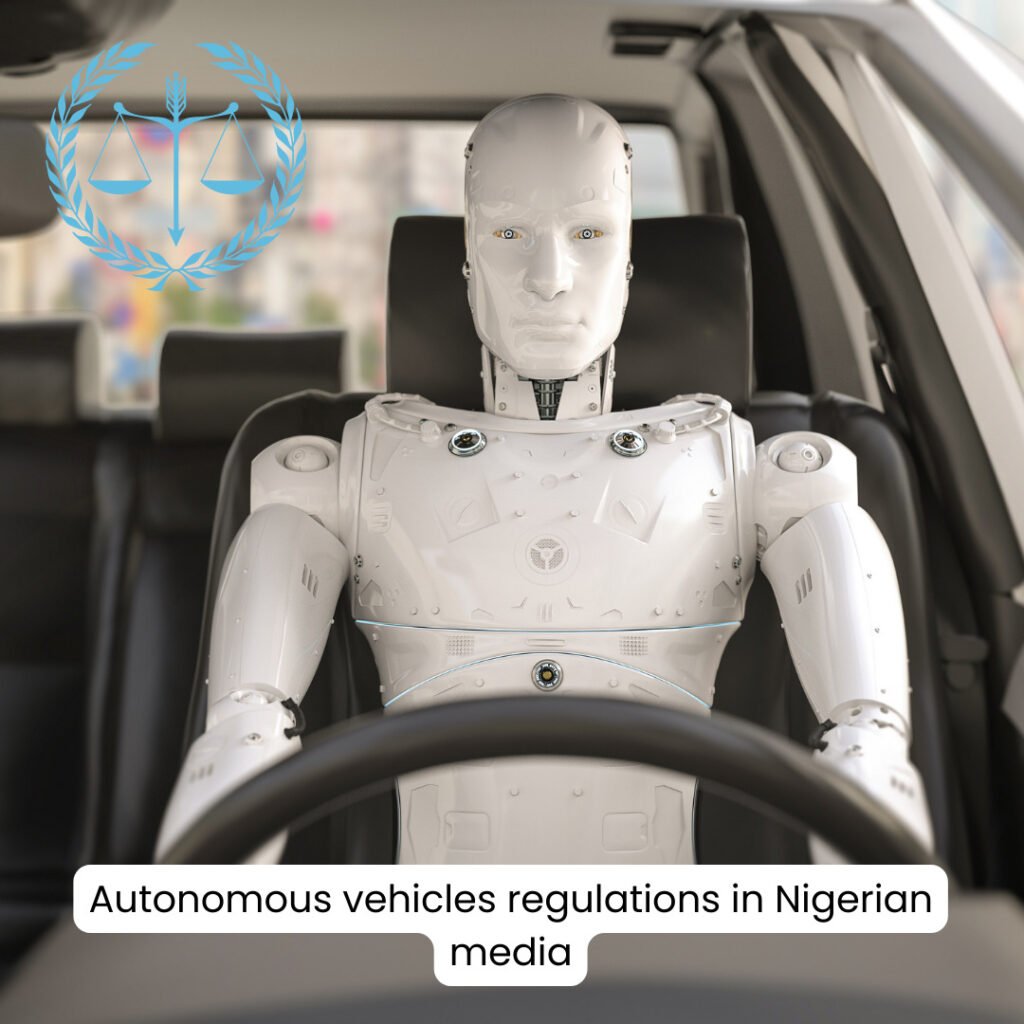
Autonomous Vehicles Regulations in Nigerian Media
The landscape of transportation is on the brink of a revolutionary transformation, driven by the emergence of autonomous vehicles (AVs). These self-driving vehicles have the potential to reshape the way people and goods move, offering benefits such as enhanced road safety, reduced congestion, and increased accessibility. In Nigeria, a nation with rapidly growing urban centers and evolving transportation needs, the integration of autonomous vehicles has ignited discussions about the need for comprehensive regulations. In this article, we explore the realm of autonomous vehicles regulations in Nigerian media, examining their significance, challenges, regulatory approaches, and implications for the transportation industry, society, and the broader digital landscape.
The Dawn of Autonomous Vehicles
Autonomous vehicles, equipped with advanced sensors, artificial intelligence, and connectivity, are designed to operate without human intervention. They have the potential to enhance road safety, optimize traffic flow, and provide mobility solutions for individuals with limited access to transportation.
The Significance of Autonomous Vehicles Regulations
Regulations for autonomous vehicles hold immense significance for several reasons:
- Safety Assurance: Regulations ensure that AVs meet stringent safety standards, minimizing the risk of accidents and ensuring public trust.
- Infrastructure Compatibility: Effective regulations consider the necessary infrastructure and technological requirements to support autonomous vehicle operations.
- Ethical and Legal Considerations: AV regulations address complex ethical and legal questions, such as liability in the event of accidents or malfunctions.
Challenges in Autonomous Vehicles Regulations
Autonomous vehicles regulations in Nigeria come with challenges:
- Technological Complexity: Navigating the intricate technology behind AVs and establishing compatibility with existing road infrastructure requires expertise.
- Legal Frameworks: Adapting existing legal frameworks to accommodate AV-specific regulations and liabilities poses challenges.
- Public Acceptance: Building public confidence and acceptance of autonomous vehicles requires transparent and comprehensive regulations.
Regulatory Approaches
Regulatory approaches to autonomous vehicles can include:
- Testing and Certification: Requiring manufacturers to undergo rigorous testing and certification processes to ensure AVs meet safety and performance standards.
- Infrastructure Development: Investing in infrastructure upgrades to support AV operations, such as communication networks and sensor-equipped roadways.
- Liability Frameworks: Establishing liability frameworks that allocate responsibility between AV manufacturers, operators, and human drivers.
Implications and Opportunities
Autonomous vehicles regulations have implications for the transportation industry, society, and technological innovation:
- Safety Enhancement: Effective regulations contribute to road safety by ensuring that AVs adhere to stringent safety standards.
- Environmental Impact: AV regulations can encourage the adoption of electric and autonomous vehicles, reducing carbon emissions and environmental impact.
- Urban Development: AVs can shape urban planning and development, promoting sustainable and efficient transportation systems.
Charting the Path Forward
The future of autonomous vehicles regulations in Nigeria holds promise:
- Stakeholder Collaboration: Engaging with technology developers, transportation experts, regulators, and the public is essential for balanced regulations.
- Innovation Support: Regulations should foster innovation while prioritizing safety, ethical considerations, and public welfare.
- Continuous Adaptation: Regularly updating regulations to keep pace with AV advancements and market dynamics.
Conclusion
Autonomous vehicles regulations play a pivotal role in shaping Nigeria’s transportation future by ensuring the safe and responsible integration of AVs into the road network. By adopting principles that prioritize safety, infrastructure development, and ethical considerations, Nigeria can create a transportation ecosystem that embraces technological innovation while safeguarding the well-being of its citizens. As Nigeria continues its journey of urban development and technological progress, a proactive and adaptable approach to autonomous vehicles regulations will contribute to a transportation landscape that values safety, fosters innovation, and supports efficient and sustainable mobility.
