
Divorce and Domestic Violence: Legal Protections and Resources
Divorce is a complex and emotionally charged process that becomes even more challenging when domestic violence is involved. Domestic violence, a pattern of abusive behaviors used by one partner to gain power and control over the other, can create significant barriers for individuals seeking to end their marriages. This article aims to shed light on the intersection of divorce and domestic violence, highlighting the legal protections and resources available to survivors in such situations.
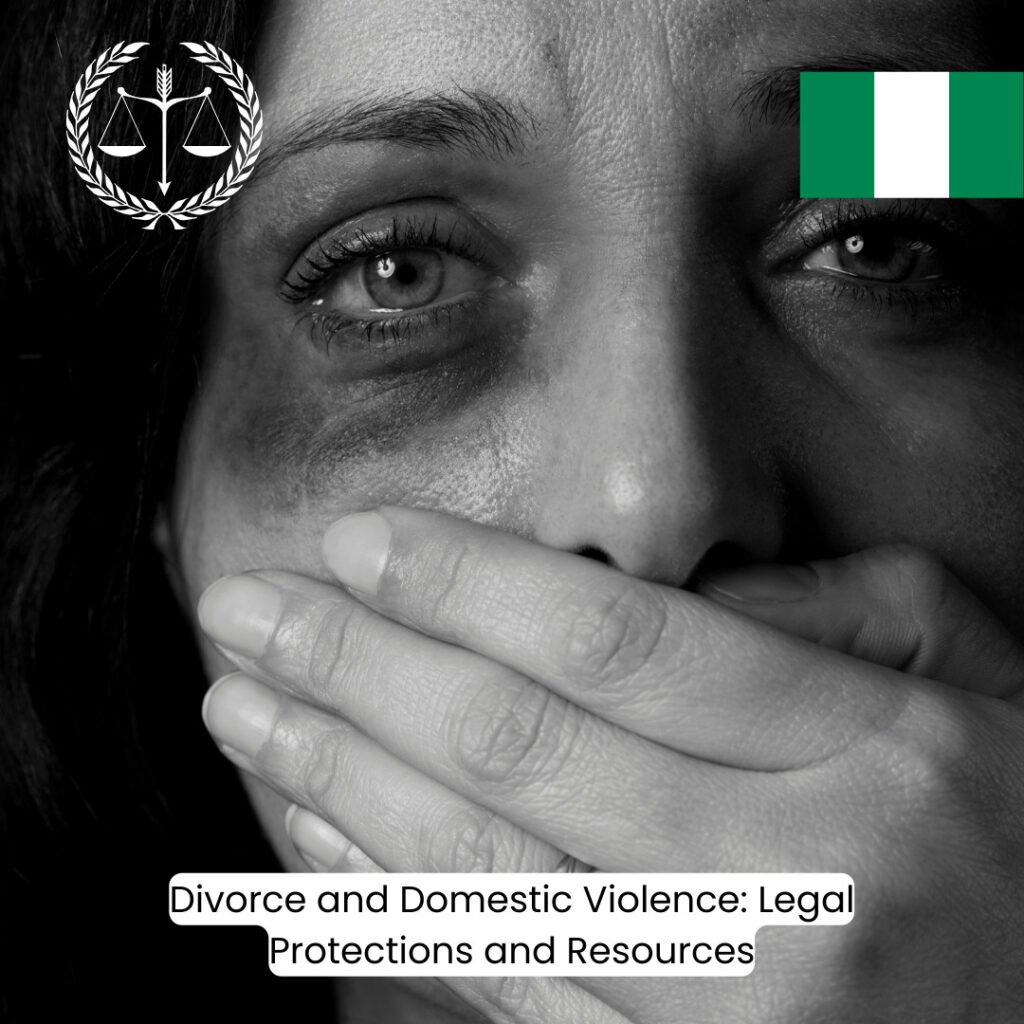
Understanding Domestic Violence
Domestic violence encompasses a range of abusive behaviors, including physical, emotional, sexual, and financial abuse. It’s crucial to recognize that domestic violence can affect individuals of any gender, age, race, or socioeconomic background. In the context of divorce, survivors often face additional challenges as they attempt to break free from the cycle of abuse and secure their safety.
Legal Protections
- Restraining Orders: One of the most immediate legal protections available to survivors of domestic violence is obtaining a restraining order, also known as a protection order or an order of protection. This court-issued document restricts the abuser’s ability to contact or approach the survivor, providing a physical and emotional buffer.
- Child Custody and Visitation: In cases involving children, the safety and well-being of the children are paramount. Courts take domestic violence allegations seriously when determining child custody and visitation arrangements. Evidence of abuse can influence decisions to ensure that the abusive parent’s access to the children is limited or supervised.
- Property Division: During divorce proceedings, property division can become contentious. Legal protections are in place to prevent abusers from manipulating financial resources to further control their victims. Courts may consider the impact of domestic violence when dividing marital assets.
- Spousal Support: Domestic violence can affect spousal support decisions. Courts may deviate from standard calculations if the survivor’s earning capacity has been impacted by the abuse, aiming to provide financial independence and stability.
- Legal Aid and Representation: Survivors often require legal assistance to navigate the complex legal landscape of divorce. Legal aid organizations and pro bono services can offer support to individuals who might otherwise struggle to afford legal representation.
Resources for Survivors
- Domestic Violence Hotlines: Hotlines provide immediate support, information, and resources for individuals experiencing domestic violence. These hotlines are often available 24/7 and can connect survivors to shelters, counseling, and legal services.
- Shelters and Safe Houses: Many organizations operate shelters and safe houses where survivors and their children can find refuge from abusive situations. These facilities offer temporary housing, emotional support, and resources to help survivors regain their independence.
- Counseling and Support Groups: Therapy and support groups play a crucial role in helping survivors heal from the trauma of domestic violence. These resources offer a safe space for survivors to share their experiences, learn coping strategies, and rebuild their lives.
- Legal Advocacy Organizations: Nonprofit organizations specializing in domestic violence and family law can provide survivors with legal guidance, representation, and information about their rights.
Conclusion
Divorce proceedings involving domestic violence are fraught with challenges, but survivors have access to a range of legal protections and resources to help them navigate this difficult journey. From restraining orders to counseling services, the combination of legal assistance and emotional support empowers survivors to break free from abusive relationships, secure their safety, and move towards a brighter future. It is essential for society to continue raising awareness about the intersection of divorce and domestic violence and to foster an environment that supports survivors in their quest for justice and healing.
