
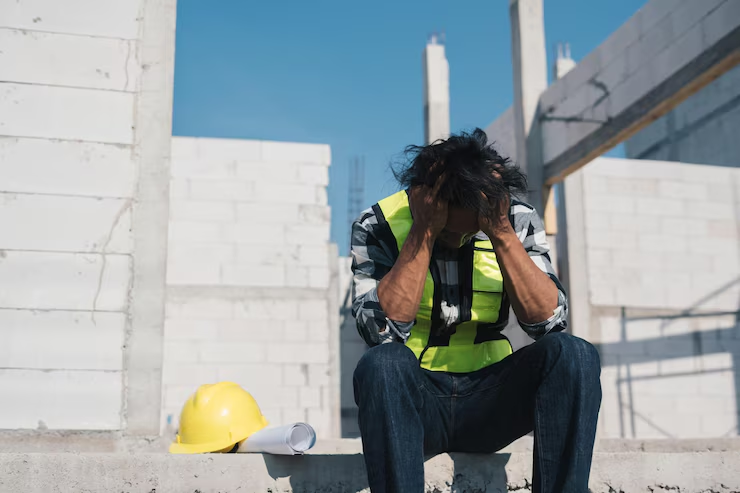
Construction Law and Labour Disputes: What You Should Know
The construction industry, a cornerstone of global economic development, is inherently complex, characterized by intricate projects, multi-party contracts, dynamic site conditions, and a diverse workforce. This complexity, while driving innovation and progress, also serves as a fertile ground for disputes. Among the most critical and potentially disruptive are those stemming from construction law and labor relations.
For contractors, developers, employers, and even individual workers, a thorough understanding of the legal landscape governing construction projects and labor practices is not merely advantageous; it is absolutely essential for risk mitigation, project efficiency, and ensuring a fair and just working environment. This comprehensive guide delves into the nuances of construction law and the common labor disputes that plague the industry, offering insights into prevention, resolution, and the pivotal role of legal compliance.
The Foundation: Understanding Construction Law
Construction law is a specialized branch of law that deals with matters relating to building construction, engineering, and related fields. It encompasses a vast array of legal principles, statutes, regulations, and contractual agreements that govern every stage of a construction project, from conception to completion.
Key Pillars of Construction Law
At its core, construction law aims to establish clear responsibilities, allocate risks, and provide mechanisms for resolving conflicts. Here are some of its fundamental pillars:
- Contracts: The bedrock of any construction project. A well-drafted and comprehensive construction contract is paramount. It outlines the scope of work, timelines, payment terms, responsibilities of each party (owner, contractor, subcontractor, suppliers, architects, engineers), dispute resolution mechanisms, and conditions for termination. Common contract types include lump-sum, cost-plus, design-build, and unit-price contracts, each with its unique legal implications. Ambiguities or omissions in contracts are a primary source of disputes.
- Torts: Beyond contractual obligations, construction activities can give rise to tortious liabilities, such as negligence, nuisance, or trespass. For instance, defective workmanship leading to property damage or personal injury can result in negligence claims. Similarly, construction noise or vibrations affecting neighboring properties could lead to nuisance claims.
- Statutory Regulations: Governments enact numerous statutes and regulations to govern construction. These typically cover:
- Building Codes and Standards: Mandating minimum requirements for design, construction, and materials to ensure public safety, health, and welfare. In Nigeria, the National Building Code (NBC) plays a crucial role, alongside state-specific regulations.
- Health and Safety Regulations: Crucial for protecting workers from hazards. These laws impose duties on employers to provide a safe working environment, adequate training, and personal protective equipment (PPE). The Factories Act and the upcoming Labour, Safety, Health, and Welfare Bill in Nigeria are significant in this regard.
- Environmental Laws: Addressing the environmental impact of construction, including waste management, pollution control, and land use. The Environmental Impact Assessment (EIA) Act in Nigeria is a key piece of legislation here.
- Planning and Zoning Laws: Regulating land use, development, and the types of structures that can be built in specific areas. The Nigerian Urban and Regional Planning Act and various state planning laws are vital.
- Professional Liability: Architects, engineers, and other design professionals owe a duty of care to their clients and, in some cases, to third parties. Errors or omissions in design can lead to significant construction defects and subsequent liability claims.
- Payment and Lien Laws: These laws address payment mechanisms and provide remedies for non-payment. In many jurisdictions, lien laws allow unpaid contractors, subcontractors, or suppliers to place a charge on the property being improved, securing their right to payment. Understanding pay-when-paid or pay-if-paid clauses in contracts is crucial.
Common Construction Law Disputes
Despite meticulous planning, disputes are almost inevitable in construction. Recognizing the common types can aid in proactive prevention and efficient resolution:
- Payment Disputes: The most frequent type of dispute. This includes non-payment, delayed payments, disputes over variations or change orders, claims for additional costs, and disagreements over the valuation of work done. Cash flow is the lifeblood of construction, and payment issues can cripple projects.
- Delay and Disruption Claims: Construction projects are highly time-sensitive. Delays can stem from various factors, including weather, unforeseen site conditions, material shortages, labor issues, design changes, or slow approvals. Determining responsibility for delays and quantifying damages (e.g., extended overhead, lost productivity) is often contentious. Disruption claims involve loss of efficiency even if the project is completed on time.
- Scope of Work Disputes / Variation Orders: Disagreements often arise when the actual work performed differs from the initial agreed-upon scope, or when changes are introduced. Clear processes for issuing and approving variation orders are essential to prevent disputes.
- Defective Workmanship and Materials: Claims that the quality of work or materials used does not meet contractual specifications or industry standards. These can lead to costly remedial work, delays, and potential liability.
- Contract Interpretation Disputes: Ambiguous language, conflicting clauses, or differing interpretations of contractual terms often lead to disagreements over responsibilities, entitlements, or obligations.
- Differing Site Conditions: When actual site conditions (e.g., soil composition, groundwater) vary significantly from what was anticipated or represented in contract documents, leading to unforeseen challenges and cost overruns.
- Termination Disputes: Disagreements arising from one party’s decision to terminate the contract, often due to alleged breaches, non-performance, or insolvency. The legal implications of wrongful termination can be severe.
The Human Element: Labour Disputes in Construction
The construction industry is heavily reliant on its workforce. As such, labor laws and worker relations are critical aspects of construction law. Disputes in this area can lead to significant project disruptions, financial penalties, and reputational damage.
Understanding Labour Laws in Nigeria (and General Principles)
Nigerian labor law, primarily governed by the Labour Act, 2004 (and its subsequent amendments), along with other specific regulations, sets out the rights and obligations of both employees and employers. Key aspects include:
- Employment Contracts: All employees are entitled to a written contract outlining their terms of engagement, job duties, working hours, remuneration, benefits, and termination procedures. Clarity in these contracts is crucial to prevent disputes.
- Wages and Hours: Regulations typically define minimum wages, overtime pay, and maximum working hours. In Nigeria, the Labour Act stipulates limits on working hours (e.g., 8 hours a day, 48 hours a week) and mandates overtime pay for work beyond these limits. Timely payment of wages and benefits is a fundamental obligation.
- Health and Safety: Employers have a legal and moral obligation to provide a safe and healthy working environment. This includes conducting risk assessments, providing appropriate personal protective equipment (PPE), offering safety training, and establishing emergency procedures. Failure to comply can lead to severe penalties, injuries, and fatalities. The Factories Act, for instance, mandates the proper use of protective gear, equipment maintenance, and regular site inspections.
- Worker Classification: The distinction between employees and independent contractors is crucial. Misclassification can have significant legal and financial consequences, as it impacts tax obligations, benefits, and statutory protections.
- Discrimination and Harassment: Laws prohibit discrimination based on factors like gender, religion, ethnicity, or political affiliation. Employers must foster an inclusive environment and have policies in place to address harassment.
- Trade Unions and Collective Bargaining: Workers have the right to join trade unions and engage in collective bargaining to negotiate for better wages, working conditions, and benefits. Disputes can arise from union recognition, collective agreement negotiations, or industrial actions (strikes, lockouts).
- Termination of Employment: Laws govern the procedures for terminating employment, including notice periods, justifiable causes, and severance pay. Wrongful termination can lead to claims for damages.
- Employee Compensation: The Employee Compensation Act in Nigeria ensures that workers who suffer injuries, disabilities, or death due to work-related incidents receive compensation.
Common Labour Disputes in Construction
Labor disputes in construction often stem from the demanding nature of the work, the temporary and project-based employment model, and sometimes, inadequate adherence to labor laws.
- Wage and Overtime Disputes: Unpaid wages, incorrect calculation of overtime, delayed payments, or disagreements over bonuses and allowances are frequent causes of conflict.
- Unsafe Working Conditions: Workers may dispute inadequate safety measures, lack of PPE, faulty equipment, or hazardous site conditions, leading to work stoppages or formal complaints.
- Worker Misclassification: Disputes arising when workers believe they have been wrongly classified as independent contractors instead of employees, thereby being denied statutory benefits and protections.
- Unfair Dismissal/Termination: Claims by workers that their employment was terminated without valid cause, proper notice, or due process, leading to demands for reinstatement or compensation.
- Discrimination and Harassment Claims: Allegations of discriminatory practices in hiring, promotion, wages, or termination, or claims of harassment (sexual, racial, etc.) in the workplace.
- Breach of Employment Contract: Disagreements over the terms and conditions outlined in the employment contract, such as job responsibilities, leave entitlements, or benefits.
- Union-Related Disputes: Conflicts involving union recognition, disagreements during collective bargaining, or disputes arising from strikes, picketing, or other industrial actions.
- Compensation for Injuries: Disputes over the extent of work-related injuries, the calculation of compensation, or the employer’s responsibility under the Employee Compensation Act.
Prevention is Better Than Cure: Mitigating Disputes
The most effective strategy for managing construction and labor disputes is proactive prevention. Establishing robust frameworks and fostering a culture of compliance can significantly reduce the likelihood and impact of conflicts.
Strategies for Preventing Construction Law Disputes
- Comprehensive and Clear Contracts: Invest in well-drafted contracts by legal professionals. Ensure all terms (scope, price, schedule, payment, dispute resolution, change order process, risk allocation) are explicit, unambiguous, and consistent across all project documents.
- Thorough Due Diligence: Before commencing a project, conduct thorough site investigations, review all relevant permits and regulations, and assess potential risks.
- Effective Communication Channels: Establish clear lines of communication among all project stakeholders (owner, contractor, subcontractors, design team). Regular meetings, transparent information sharing, and documented communications are vital.
- Robust Change Order Management: Implement a structured process for managing changes to the scope of work. All changes, no matter how minor, should be documented, approved, and their impact on cost and schedule formally assessed.
- Detailed Record Keeping: Maintain meticulous records of all project activities, including daily logs, progress reports, meeting minutes, correspondence (emails, texts), photographs, and financial documentation. This is invaluable evidence in case of a dispute.
- Proactive Risk Management: Identify potential risks early and develop mitigation strategies. This includes contingency planning for unforeseen conditions, material shortages, or labor availability.
- Quality Control and Assurance: Implement rigorous quality control measures throughout the project to minimize defects and ensure compliance with specifications.
- Insurance Coverage: Ensure adequate and appropriate insurance coverage for all potential risks, including professional indemnity, public liability, and workers’ compensation.
Strategies for Preventing Labour Disputes
- Clear Employment Contracts and Policies: Provide detailed written employment contracts that clearly outline terms of employment, duties, remuneration, benefits, working hours, grievance procedures, and disciplinary processes. Develop and communicate comprehensive HR policies.
- Compliance with Labour Laws: Stay updated with current labor laws and regulations. Regularly audit internal processes to ensure compliance with minimum wage, overtime, health and safety, and other statutory requirements.
- Fair Wages and Timely Payments: Ensure employees are paid accurately and on time, adhering to all contractual and statutory obligations.
- Prioritize Health and Safety: Foster a strong safety culture. Provide regular and comprehensive safety training, adequate PPE, and enforce strict safety protocols. Conduct regular safety audits and address hazards promptly.
- Effective Grievance Mechanisms: Establish clear, accessible, and fair grievance procedures for employees to raise concerns without fear of reprisal. Address complaints promptly and transparently.
- Non-Discrimination and Harassment Policies: Implement robust policies against discrimination and harassment, provide training, and ensure a safe and respectful working environment for all.
- Open Communication and Employee Engagement: Encourage open dialogue with employees. Regular feedback sessions, employee surveys, and a willingness to listen to concerns can prevent minor issues from escalating.
- Proper Worker Classification: Accurately classify workers as employees or independent contractors based on legal criteria to avoid penalties and disputes.
When Disputes Arise: Effective Resolution Mechanisms
Despite best efforts, disputes can still occur. Having clear, pre-agreed dispute resolution mechanisms in contracts is crucial for efficient and cost-effective resolution, minimizing project delays and preserving relationships where possible.
Alternative Dispute Resolution (ADR) Methods
ADR methods are generally preferred over litigation due to their cost-effectiveness, speed, confidentiality, and potential for preserving business relationships.
- Negotiation: The most informal method, involving direct discussions between the disputing parties to reach a mutually acceptable solution. It’s often the first step and can be highly effective if parties are willing to compromise.
- Mediation: A neutral third party (the mediator) facilitates discussions between the disputing parties, helping them identify common ground and explore potential solutions. The mediator does not impose a decision; the resolution is reached by the parties themselves. Mediation is non-binding unless a settlement agreement is signed.
- Conciliation: Similar to mediation, but the conciliator may play a more active role in suggesting solutions. In Nigeria, the Arbitration and Conciliation Act provides a framework for this.
- Adjudication / Dispute Boards: Often used in complex, long-term construction projects. A neutral third party or a panel (Dispute Adjudication Board – DAB, or Dispute Review Board – DRB) makes interim binding decisions on disputes as they arise, allowing the project to continue without significant disruption. These decisions can be reviewed later through arbitration or litigation.
- Arbitration: A more formal ADR method where disputing parties agree to submit their case to one or more neutral arbitrators. The arbitrator(s) hear evidence and arguments and render a binding decision (an arbitral award) which is generally enforceable in court. Arbitration is typically faster, more flexible, and confidential than litigation, and allows for the selection of arbitrators with specific industry expertise. The Arbitration and Conciliation Act governs arbitration in Nigeria.
Litigation: The Last Resort
- Litigation: If ADR methods fail, or if a binding judicial determination is required, disputes may proceed to the conventional court system. Litigation is typically the most expensive, time-consuming, and public method of dispute resolution. It involves formal legal proceedings, discovery, trials, and appeals. In construction, litigation is often reserved for high-value, complex disputes, or when one party is unwilling to engage in good-faith negotiations or ADR. Nigerian courts handle construction and labor disputes based on common law principles, statutory provisions, and contractual agreements.
Key Considerations for Dispute Resolution Clauses
- Tiered Approach: Many construction contracts incorporate a tiered dispute resolution clause, requiring parties to attempt resolution through negotiation, then mediation, before resorting to arbitration or litigation. This encourages early resolution and minimizes costs.
- Jurisdiction and Governing Law: Clearly specify the jurisdiction whose laws will govern the contract and the forum for dispute resolution. For international projects, this is particularly critical.
- Enforcement: Understand the enforceability of arbitral awards or mediated settlements in the relevant jurisdiction.
The Nigerian Context: Specific Considerations
While the general principles of construction law and labor disputes are universal, their application and nuances vary by jurisdiction. In Nigeria, several factors influence these aspects:
- Regulatory Framework: A mix of federal and state laws governs construction and labor. Awareness of specific state laws (e.g., Lagos State Urban and Regional Planning and Development Laws) is crucial.
- Enforcement Challenges: Challenges in enforcement of contracts and judgments can sometimes prolong disputes.
- Cultural Context: The cultural approach to conflict resolution can sometimes influence the willingness to engage in ADR or litigation.
- Informal Sector: The large informal sector in construction presents unique challenges for labor law compliance and worker protection.
- Capacity Building: There’s an ongoing need for increased capacity building among legal professionals, arbitrators, and industry stakeholders in specialized construction law and ADR.
Conclusion: Building a Legally Resilient Construction Industry
The construction industry is dynamic and indispensable. However, its inherent complexities make it susceptible to a myriad of disputes, particularly in the realms of contract law and labor relations. For all stakeholders – from large corporations to individual craftspeople – understanding the legal framework and potential pitfalls is not just about avoiding litigation; it’s about fostering an environment of trust, efficiency, and fairness.
By prioritizing clear contractual agreements, maintaining meticulous records, implementing robust risk management strategies, and, crucially, upholding labor laws and fostering a safe and respectful work environment, the industry can significantly reduce the incidence and impact of disputes. When conflicts do arise, embracing alternative dispute resolution mechanisms like mediation and arbitration offers more expeditious and cost-effective pathways to resolution, preserving valuable relationships and ensuring project continuity.
Ultimately, a proactive and legally informed approach to construction projects and labor management is the cornerstone of sustainable growth and success in this vital sector. Investing in legal expertise, training, and a culture of compliance is not an expense, but an essential investment in the future of every construction endeavor.
