
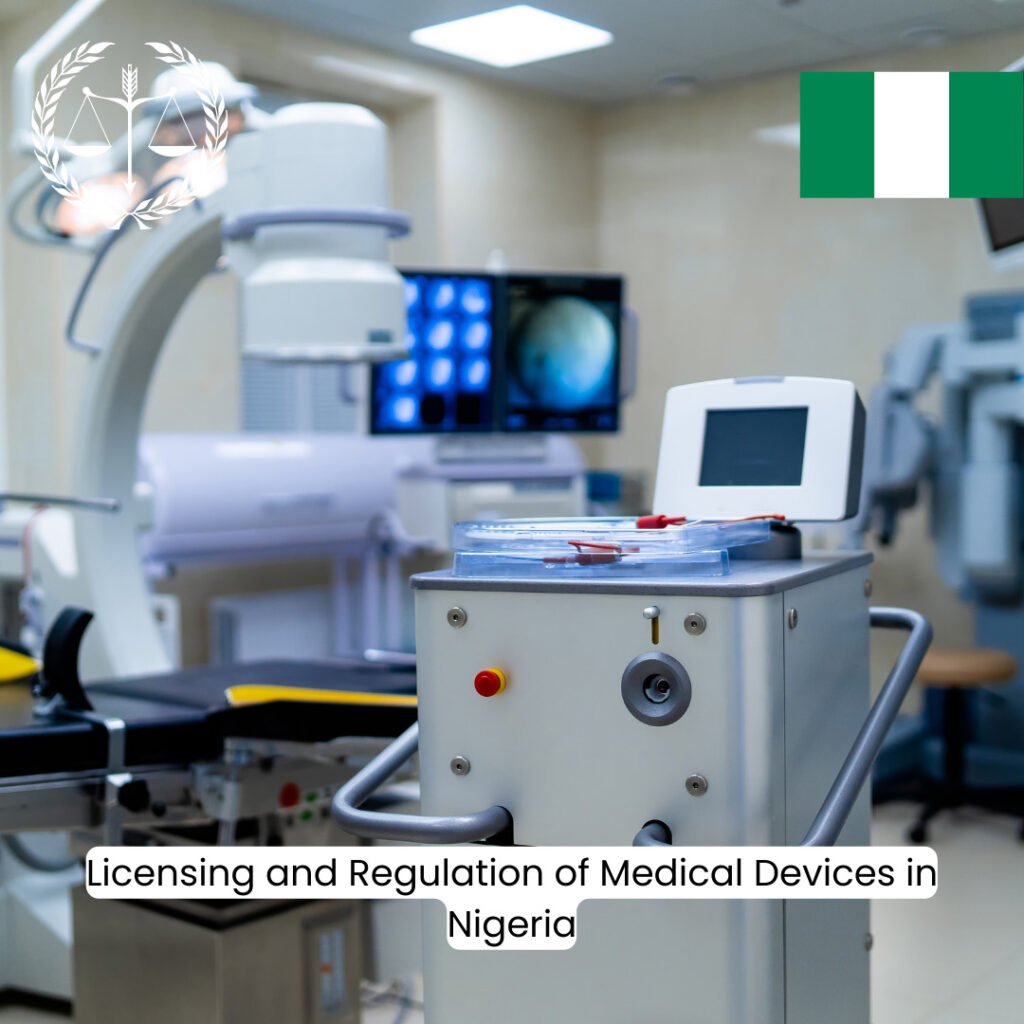
Ensuring Patient Safety: Licensing and Regulation of Medical Devices in Nigeria
Medical devices play a crucial role in modern healthcare, aiding in diagnostics, treatment, and patient care. The safe and effective use of medical devices is paramount to ensuring patient safety and maintaining high healthcare standards. In Nigeria, the licensing and regulation of medical devices are overseen by regulatory authorities to ensure that these devices meet stringent quality and safety standards. This article delves into the licensing and regulation of medical devices in Nigeria, highlighting the regulatory framework, key considerations, challenges, and the importance of ensuring patient well-being.
Regulatory Authorities and Framework
- National Agency for Food and Drug Administration and Control (NAFDAC): NAFDAC is the primary regulatory body responsible for the registration, importation, manufacturing, and distribution of medical devices in Nigeria. Its mission is to safeguard public health by ensuring the quality, safety, and efficacy of medical devices.
- Medical Devices Regulations: NAFDAC established the Medical Devices Directorate to regulate medical devices in accordance with the Medical Devices Regulations. These regulations outline the requirements for registration, importation, labeling, distribution, and post-market surveillance of medical devices.
Key Considerations in Medical Device Regulation
- Registration and Approval: Medical devices must undergo a thorough registration process to obtain NAFDAC’s approval before being legally marketed and distributed in Nigeria. This process involves submitting detailed documentation about the device’s safety, efficacy, and intended use.
- Classification: Medical devices are classified into different risk categories based on factors such as their intended use, potential risks, and mechanisms of action. This classification determines the regulatory pathway and level of scrutiny required for approval.
- Quality Standards: Medical devices must adhere to specific quality standards, often aligned with international standards like ISO (International Organization for Standardization) and IEC (International Electrotechnical Commission), to ensure consistency and safety.
- Labeling and Packaging: Medical devices must be labeled with accurate and clear information, including intended use, instructions for use, precautions, and manufacturer details. Proper packaging prevents contamination and ensures device integrity.
- Post-Market Surveillance: After a medical device is approved and on the market, NAFDAC continues to monitor its safety and performance through post-market surveillance activities, such as adverse event reporting and inspections.
Challenges and Importance of Regulation
- Counterfeit Devices: The proliferation of counterfeit medical devices poses serious risks to patient safety, emphasizing the need for robust regulatory oversight.
- Supply Chain Challenges: Ensuring that medical devices are stored, transported, and distributed properly throughout the supply chain is crucial to maintaining their quality and efficacy.
- Rapid Technological Advances: The rapid pace of technological advancements in medical devices requires regulators to stay updated and adapt regulations accordingly.
Conclusion
The licensing and regulation of medical devices in Nigeria play a critical role in ensuring patient safety, enhancing healthcare quality, and promoting trust among healthcare professionals and patients. The rigorous oversight by NAFDAC, coupled with adherence to international quality standards, serves to protect patients from substandard or unsafe medical devices. As the healthcare landscape evolves and medical technologies advance, maintaining a strong and effective regulatory framework remains essential to safeguarding patient well-being and maintaining the highest standards of healthcare in Nigeria.
