
Effects of Divorce on Children: Coping Strategies and Co-Parenting
Divorce is a complex and life-altering event that affects not only the spouses involved but also their children. The dissolution of a marriage brings about significant changes in the family dynamics, and children often find themselves caught in the middle of this emotional upheaval. Understanding the effects of divorce on children and implementing effective coping strategies and co-parenting techniques is crucial for mitigating potential negative outcomes and ensuring their overall well-being.
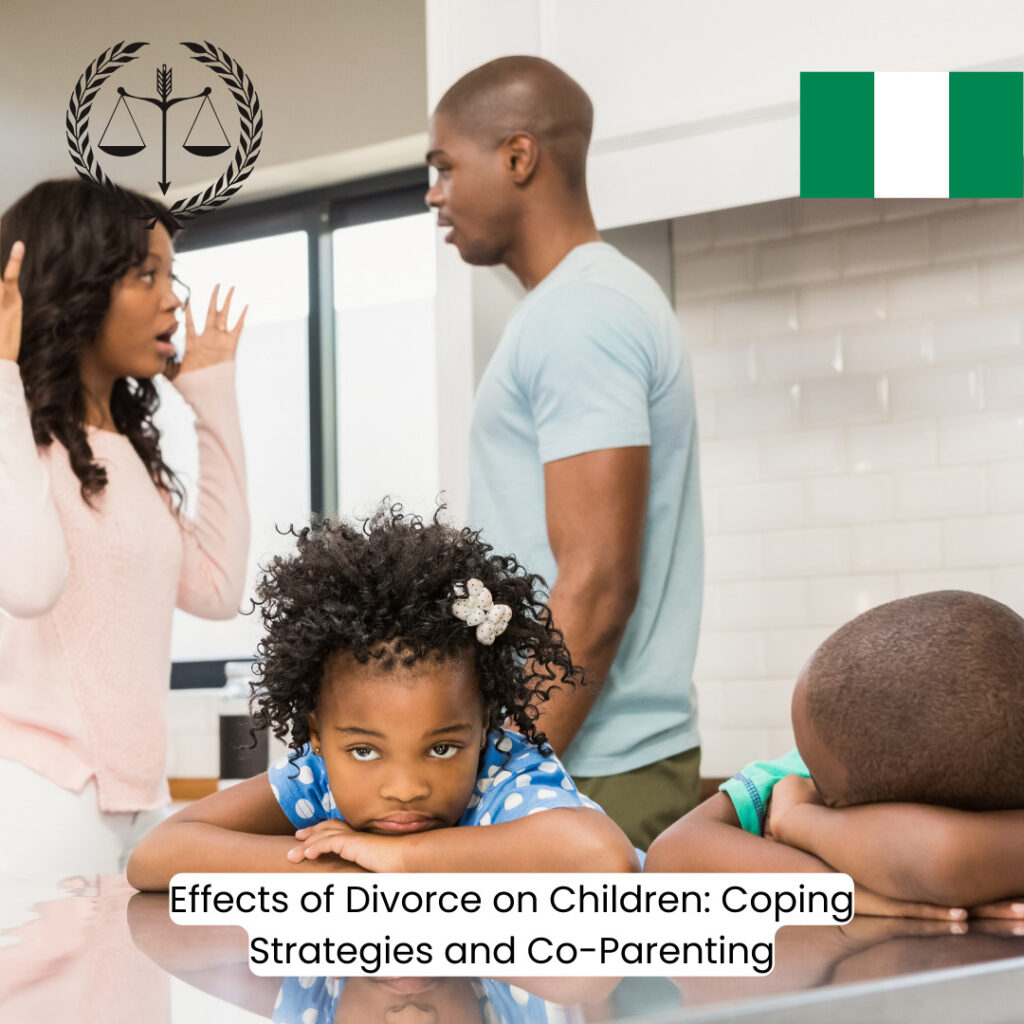
The Impact of Divorce on Children:
The effects of divorce on children can vary widely depending on factors such as their age, temperament, resilience, and the level of conflict surrounding the divorce. However, research consistently suggests that divorce can have both short-term and long-term impacts on children’s emotional, psychological, and social development.
1. Emotional Distress:
Children often experience a range of emotional responses to their parents’ divorce, including sadness, anxiety, anger, confusion, and even guilt. The sense of loss stemming from the separation of their family unit can lead to emotional distress that may linger for years.
2. Academic Performance:
Divorce can also impact children’s academic performance. The emotional turmoil they experience may affect their ability to concentrate, leading to a decline in their grades. The disruption caused by moving homes and changes in routines can further exacerbate academic challenges.
3. Behavioral Issues:
Children of divorce are more likely to exhibit behavioral issues, such as aggression, defiance, and acting out. This can stem from a combination of the emotional stress they are under and a sense of instability caused by the changes in their family structure.
4. Relationship Patterns:
Children learn about relationships and communication primarily from observing their parents. Witnessing a contentious divorce may shape their perceptions of healthy relationships and conflict resolution, potentially leading to difficulties in their own future relationships.
Coping Strategies for Children:
While divorce presents numerous challenges for children, there are several coping strategies that can help them navigate the difficult terrain of their parents’ separation:
1. Open Communication:
Encouraging open communication about their feelings is crucial. Children need to know that their emotions are valid and that they have a safe space to express themselves without judgment.
2. Support Network:
Building a strong support network that includes friends, family members, teachers, and possibly a therapist can provide children with outlets to share their feelings and receive guidance.
3. Maintaining Routines:
Maintaining a sense of normalcy and routine can help children feel more stable amidst the changes brought about by divorce. Predictability can offer a sense of security during uncertain times.
4. Artistic Expression:
Engaging in creative outlets such as drawing, writing, or playing a musical instrument can help children express emotions that they might struggle to convey verbally.
Co-Parenting:
Effective co-parenting is essential for minimizing the negative impact of divorce on children. Co-parenting involves both parents working together to ensure their children’s well-being despite the dissolution of their marriage.
1. Communication:
Open and respectful communication between co-parents is vital. Sharing important information about the children’s activities, health, and school progress helps maintain consistency and a sense of unity for the children.
2. Consistency in Rules and Discipline:
Co-parents should strive to maintain consistent rules and disciplinary strategies between households. This consistency provides a stable environment for children and reduces confusion.
3. Putting Children First:
Co-parents need to prioritize their children’s needs above personal conflicts. This includes refraining from negative comments about the other parent and avoiding involving children in adult disputes.
4. Flexibility and Compromise:
Flexibility in scheduling and making compromises demonstrates to children that their well-being is the top concern. Co-parents should be willing to adjust plans to accommodate the children’s activities and needs.
5. Transition Support:
Helping children transition between households can ease the emotional strain. Sharing details about the other parent’s home and ensuring they have comfort items can help children feel more at ease.
Conclusion:
Divorce undoubtedly has a profound impact on children, but with the right strategies and support, they can navigate the challenges and emerge resilient. By providing a stable and nurturing environment, encouraging open communication, and practicing effective co-parenting, parents can mitigate the negative effects of divorce and promote their children’s healthy emotional, psychological, and social development. It is essential to remember that while divorce may mark the end of a marriage, it need not mark the end of a positive and nurturing parenting journey.