
Legal Requirements for Operating Online Businesses in Nigeria
The rise of the digital age has led to a surge in online businesses across the globe, including Nigeria. Operating an online business offers numerous opportunities for growth and reach, but it also comes with a set of legal responsibilities and requirements. To navigate the digital landscape effectively, online entrepreneurs in Nigeria must be aware of the legal framework that governs their operations. This article outlines the key legal requirements for online businesses in Nigeria to ensure
compliance, protect customers, and foster sustainable growth.
Business Registration:
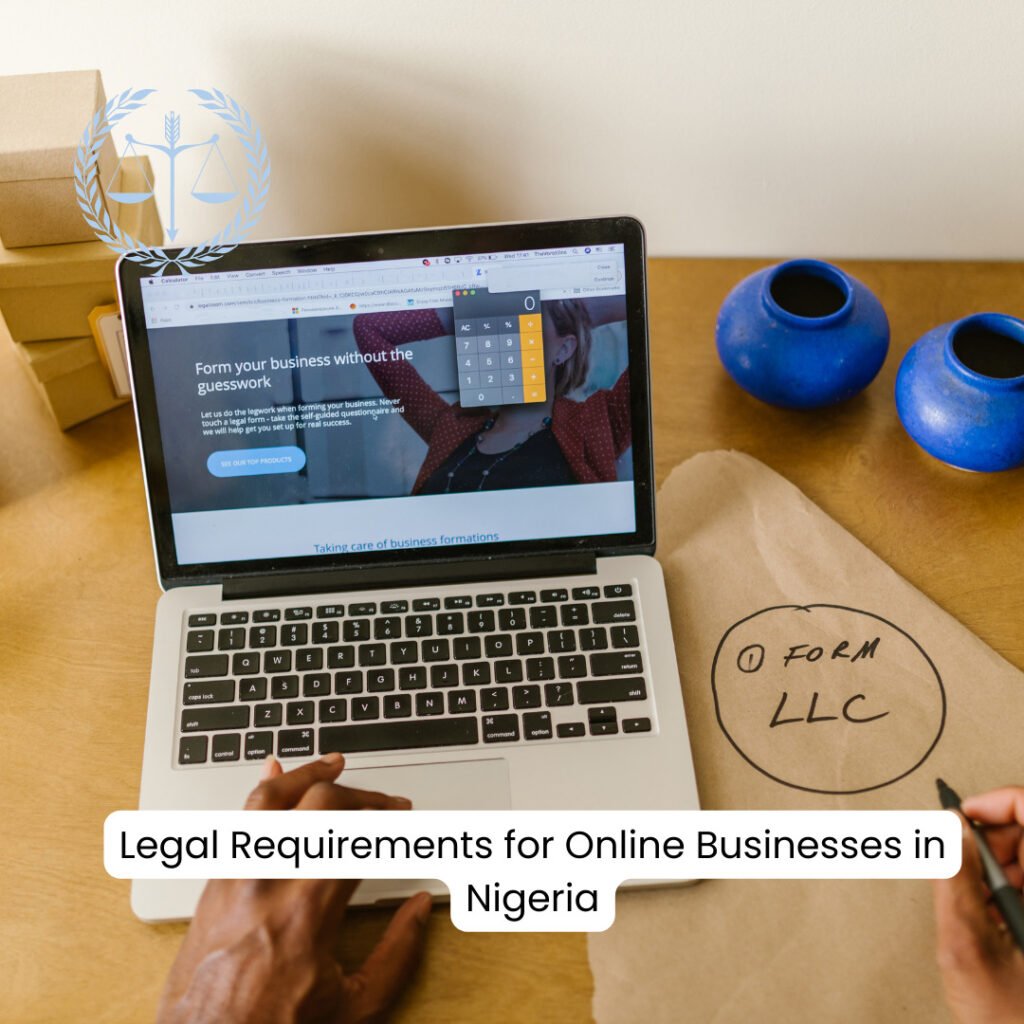
Just like traditional businesses, online businesses in Nigeria must be properly registered. The registration process involves choosing an appropriate business structure, such as a sole proprietorship, partnership, or limited liability company (LLC). Registering your online business with the Corporate Affairs Commission (CAC) provides legal recognition and enables you to operate within the boundaries of the law.
Website Legal Documents:
Every online business should have specific legal documents on its website to inform users about its terms and policies. These include:
- Terms of Service (ToS): Outlines the rules and regulations that users must adhere to when using your website or services.
- Privacy Policy: Informs users about how their personal data is collected, stored, and used by your business.
- Refund and Return Policy: Clearly defines the procedures and policies for returning products or seeking refunds.
- Disclaimer: States the limitations of liability for the information or products/services provided on the website.
Intellectual Property Rights:
Protecting your online business’s intellectual property is crucial. This includes registering trademarks, copyrights, and patents for any original content, logos, designs, or products you create. By doing so, you can prevent others from using your creations without permission.
Electronic Transactions:
The Cybercrime (Prohibition, Prevention, Etc.) Act and the Electronic Transactions Act regulate electronic transactions in Nigeria. Your online business must ensure secure payment processes and comply with these regulations to safeguard customer data and maintain the integrity of online transactions.
Consumer Protection:
The Consumer Protection Council Act is in place to protect the rights of consumers in Nigeria. Online businesses are required to provide accurate product information, clear pricing, and fair terms of service to ensure consumers are not misled or exploited.
Data Protection:
The Nigeria Data Protection Regulation (NDPR) mandates businesses to handle personal data responsibly. Online businesses collecting user data must obtain consent, secure data storage, and have measures in place to protect user privacy.
Domain Name Regulations:
Choose a domain name that doesn’t infringe on existing trademarks and is representative of your business. The Nigerian Internet Registration Association (NiRA) governs .ng domain names, and following their guidelines is essential.
Digital Marketing Regulations:
If your online business engages in digital marketing, be aware of regulations regarding spam, unsolicited communications, and deceptive advertising practices. Non-compliance can lead to penalties.
Taxation:
Online businesses are not exempt from taxation. Register for relevant taxes, such as the Value Added Tax (VAT), and ensure that your financial records are accurate and up-to-date.
Domain Name Regulations:
Choose a domain name that doesn’t infringe on existing trademarks and is representative of your business. The Nigerian Internet Registration Association (NiRA) governs .ng domain names, and following their guidelines is essential.
Conclusion
Operating an online business in Nigeria offers tremendous opportunities for growth and innovation. However, it also requires a comprehensive understanding of the legal obligations that come with conducting business online. By adhering to business registration requirements, creating necessary legal documents, protecting intellectual property, ensuring secure online transactions, and complying with consumer protection and data privacy regulations, online entrepreneurs can build a successful and legally compliant online business presence in Nigeria.